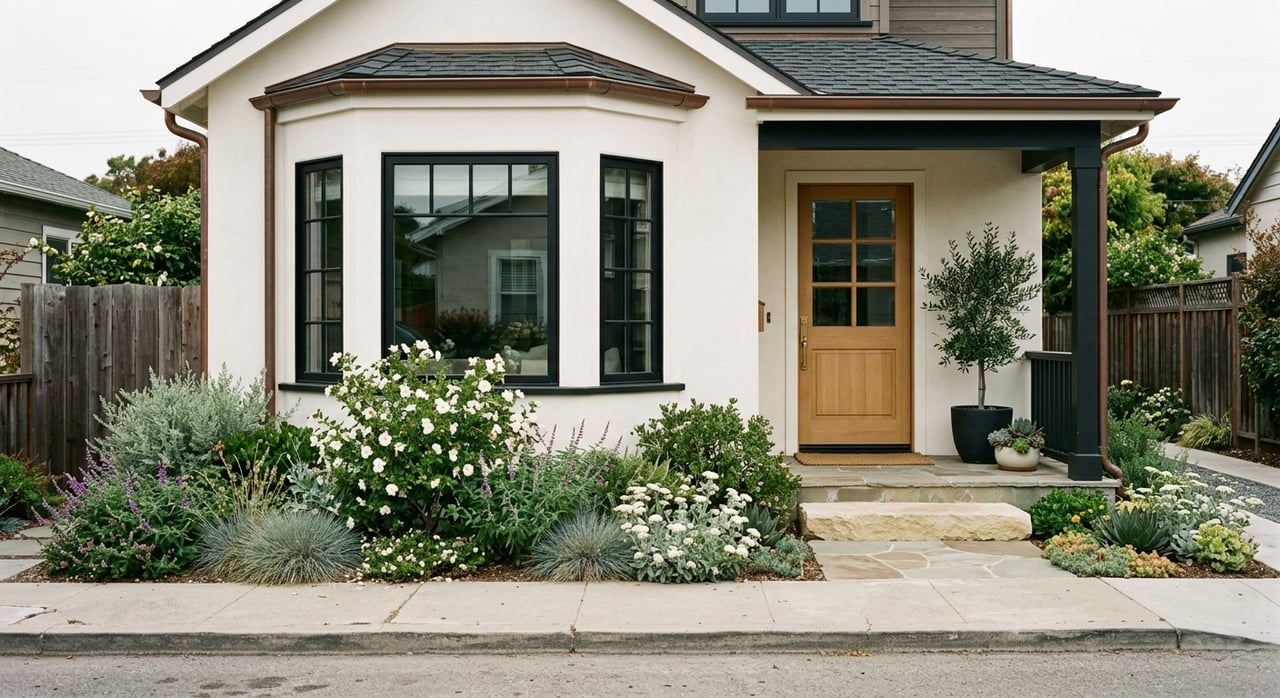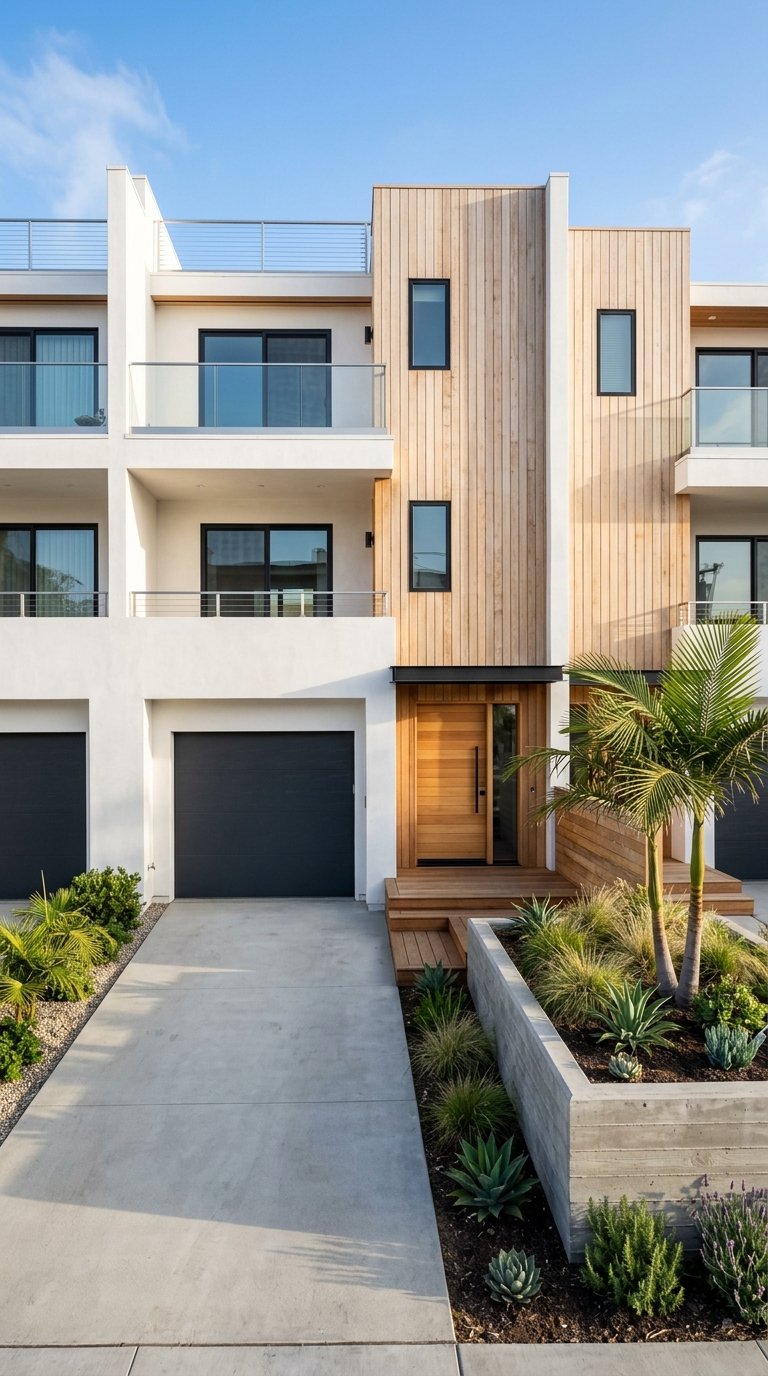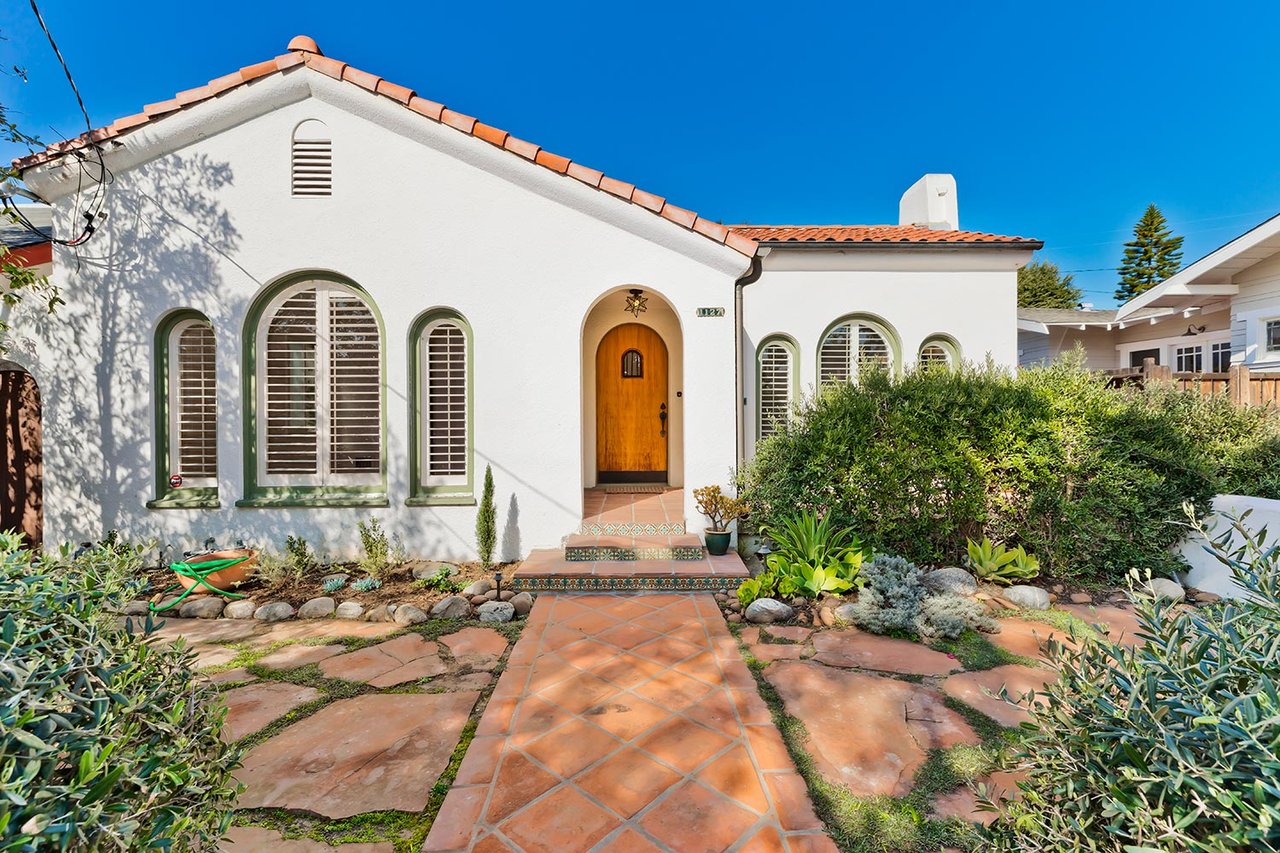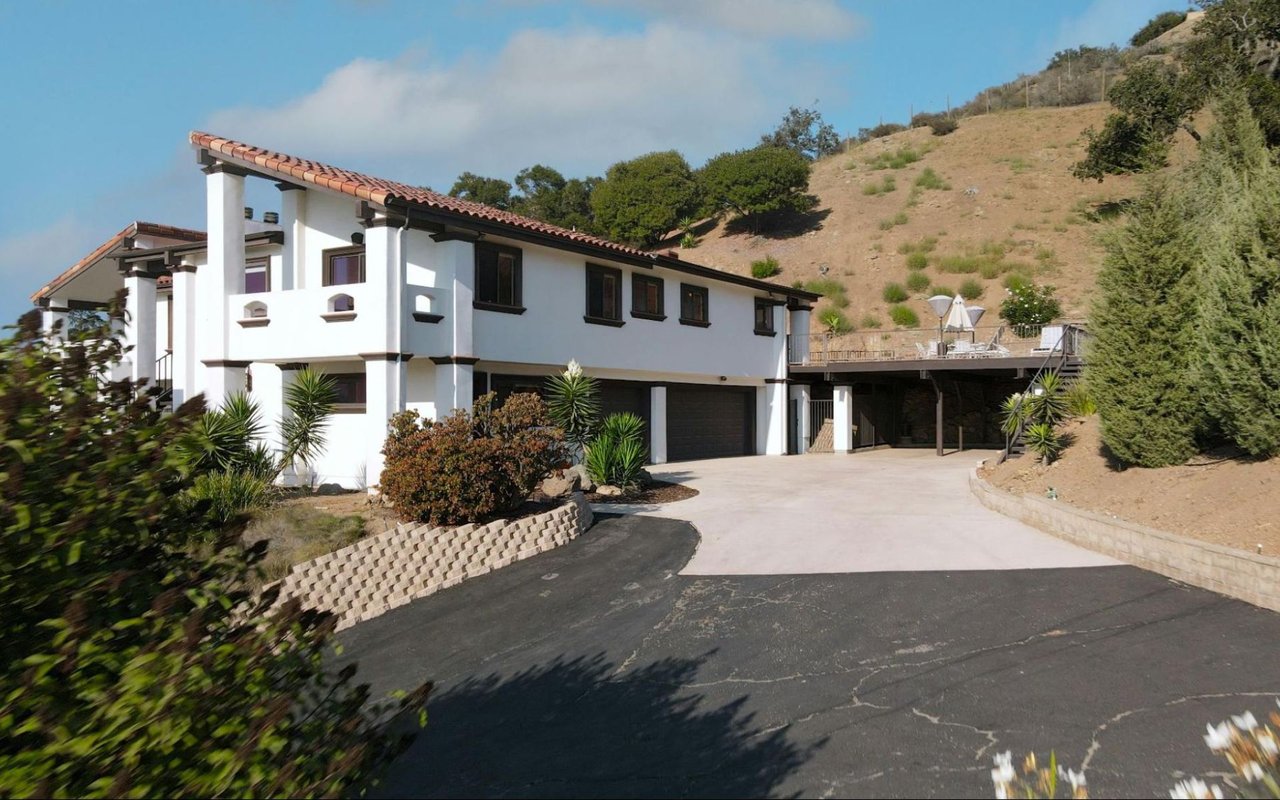
California spent the last several years loosening the rules on how much house a homeowner can put on a single-family lot. ADU reform made it easier almost everywhere in the state to add a second unit. SB 9 opened the door to splitting a lot or adding a duplex on parcels that used to allow only one home. Most of Los Angeles absorbed these changes into ordinary buying and selling conversations. A buyer touring a single-family lot in Mar Vista or Culver City can reasonably ask whether an ADU pencils out, because in most cases it can.
Venice is different, and the difference has nothing to do with vibe or price point. It has to do with a specific line on a specific map. West of Lincoln Boulevard, a parcel sits inside the California Coastal Zone, and Los Angeles City Planning's Venice Coastal Zone Specific Plan governs what can be built there, not the citywide density reforms a buyer might be counting on. That line is why two similar-looking single-family lots a few blocks apart in Venice can have completely different answers to the same question: can I add a second unit here.
Where the Line Actually Falls
The Venice Coastal Zone, as defined by the Venice Coastal Zone Specific Plan, covers the portion of the Venice Community Plan area west of Lincoln Boulevard, including lots that front the west side of that street. The plan was established in 1999 and substantially revised in 2004, and it still governs development today. Everything inside that boundary answers first to this specific plan, and only after that to the general citywide zoning code that applies to the rest of Los Angeles.
According to Los Angeles City Planning, the specific plan splits the zone into named subareas, each with its own development standards. Oakwood-Milwood-Southeast Venice runs along Lincoln Boulevard on the east side of the zone. Oxford Triangle sits closer to Washington Boulevard. Silver Strand and Marina Peninsula cover the strip near Marina del Rey. Ballona Lagoon East Bank and West Bank frame the canal system that gives the neighborhood its name. A parcel's subarea, not just its zip code, determines what an owner can build.
What the Zone Actually Caps
The most consequential rule sits inside the canal-adjacent subareas. In the R1 and RD1.5 zones near the Grand Canal and Ballona Lagoon, Los Angeles City Planning says the specific plan limits density to one dwelling unit per lot. That single sentence overrides the assumption a lot of buyers walk in with. A buyer who has shopped Mar Vista or Culver City in the same season may have gotten used to treating ADU potential as a near given on any single-family lot. On a canal-adjacent Venice parcel zoned R1 or RD1.5, that potential may not exist at all, not because the process is slow, but because the plan does not allow a second unit on that lot in the first place.
Height gets the same subarea-specific treatment. Within 60 horizontal feet of the inland side of the Esplanade, the coastal zone caps structures at 30 feet, full stop, with no portion of the building, including roof access structures and railings, allowed to exceed that limit inside that 60 foot band. Move beyond that band and the allowance increases gradually, one additional foot of height for every two additional horizontal feet, up to a ceiling that lands at 38 feet in some subareas and 45 feet in others depending on which side of the canal system the lot sits on. A buyer evaluating a teardown or a major addition needs the specific number for the specific parcel, not a rule of thumb borrowed from a listing two streets over.
The Permit That Sits On Top of the Building Permit
None of this is theoretical process. Inside the coastal zone, no demolition, grading, or building permit can be issued unless the project has received a Venice Coastal Specific Plan exemption or has gone through the Project Permit Compliance review. That review sits on top of the standard Los Angeles Department of Building and Safety process.
The Venice Dell affordable housing project on the Venice Canals is the clearest local example of how long this layered review can run. The project was rejected by the Coastal Commission six times over incomplete applications before the commission finally approved a local coastal development permit in December 2024, more than two years after the city first submitted the request to amend the certified Venice Land Use Plan. That timeline belonged to a 117 unit affordable housing development, not a single family remodel, but it shows what the review stack looks like when a project draws scrutiny inside this zone. A homeowner planning a smaller addition will move faster than that, but the same agencies and the same layered sign offs are still in play.
A Supreme Court Ruling Changed the Commission, Not the Zone
On April 23, 2026, the California Supreme Court issued a unanimous ruling in Shear Development Company v. California Coastal Commission that limits how the commission can claim appellate jurisdiction over a local government's approved coastal permit. The court found that the commission had improperly asserted jurisdiction over a San Luis Obispo County housing project based on an informal illustration in a county plan rather than the official designated maps the Local Coastal Program requires, and it held that courts, not the commission, get the final say on how those disputes are interpreted.
The ruling addresses the commission's appellate reach, and organizations including the California Association of Realtors filed briefs supporting that outcome. What it does not do is touch the density caps, height limits, or subarea boundaries written into the Venice Coastal Zone Specific Plan itself. Those rules come from a certified local plan; the court's ruling addressed a separate jurisdictional issue. A Venice property owner who ends up in a permit appeal may benefit from a court that now reviews the commission's jurisdictional claims independently rather than deferring to them automatically. That same owner still has to satisfy the specific plan's own density and height rules before an appeal ever becomes relevant.
There is one more date worth tracking. Los Angeles City Planning has said it expects to release a draft update to the Venice Local Coastal Program's Land Use Plan for public review in the second half of 2026. Until that draft is adopted and certified, the rules described above are the ones that apply to any transaction closing this year.
What This Means If You're Closing Escrow This Year
If you're buying west of Lincoln Boulevard with any renovation, addition, or ADU plan attached to the purchase, the parcel's exact subarea and zoning designation matter more than the listing description. Confirm whether the lot sits in R1 or RD1.5, confirm its distance from the Esplanade or the canal frontage, and confirm whether the one-unit-per-lot density cap applies before you build a financial plan around adding a second unit. If you're selling a canal-adjacent or beach-proximate property, disclosing coastal zone status and any known permit history up front protects you from a renegotiation after a buyer's own due diligence turns up a limit they did not expect.
None of this changes the appeal of the neighborhood. It changes what a buyer should verify before writing an offer that assumes flexibility the zone may not allow.
A Few Questions Worth Asking Directly
Does every property in Venice need a Coastal Development Permit? Not every project; the trigger depends on scope, not just location.
Can I still add an ADU on a Venice property? It depends entirely on the parcel. Inside those specific zones near the Grand Canal and Ballona Lagoon, the one-unit-per-lot cap in the specific plan can foreclose that option.
Does the April 2026 Supreme Court ruling mean coastal permits will move faster now? It means the Coastal Commission has less room to claim appellate jurisdiction based on interpretations of a Local Coastal Program. It does not change the review steps or density and height standards already written into Venice's certified specific plan.
Venice rewards buyers and sellers who do this homework before it becomes urgent, not after an appraisal or an escrow deadline forces the question. If you're weighing a purchase or a listing anywhere in this stretch of the Westside and want a clear read on what a specific parcel actually allows, Megan Whalen has spent over two decades working these blocks and can help you get a straight answer before you're locked into a contract contingency clock. Let's Connect.
This article is general information, not legal, tax or financial advice. Consult a qualified professional about your situation.