In Santa Monica, any building 40 years or older is subject to Landmarks Commission review before demolition, under an ordinance the city has enforced since 1976. Meanwhile, any home built new since January 1, 2020 was required by California's Title 24 code to include solar panels. Where a property falls on that timeline affects both what it costs to bring up to modern standards and what protections or restrictions apply if you want to alter or remove it.
Home Age Factor | What It Means in Santa Monica |
|---|---|
40+ years old | Subject to Landmarks Commission review before demolition (Santa Monica ordinance, adopted 1976) |
Built before Jan. 1, 2020 | Not required to have solar PV — retrofitting is a buyer/seller decision, not a code mandate |
Built on or after Jan. 1, 2020 | Required under Title 24 to include a solar PV system sized to the home's floor area and climate zone |
In a designated Historic District | Exterior changes require a Certificate of Appropriateness; interior changes generally do not |
Lot in a high-demand area (e.g. North of Montana, Sunset Park) | Land value can outweigh structure age, since limited available land drives up per-lot value regardless of the home's condition |
- Santa Monica Landmarks Commission: meets 2nd Monday of each month, 7:00 PM, City Council Chambers, 1685 Main Street
- Examples of designated Historic Districts: Third Street Historic District, Bay Street Craftsman Cluster, San Vicente Boulevard Courtyard Apartments Historic District
When evaluating a home's market value, age is one of the most influential factors buyers and sellers weigh. Santa Monica's housing stock ranges from early-1900s beach bungalows to homes built under today's solar-mandated building code, and the relationship between age and value here isn't linear, it depends on condition, location, architectural style, and whether the property carries any historic designation.
How Age Influences Market Perception
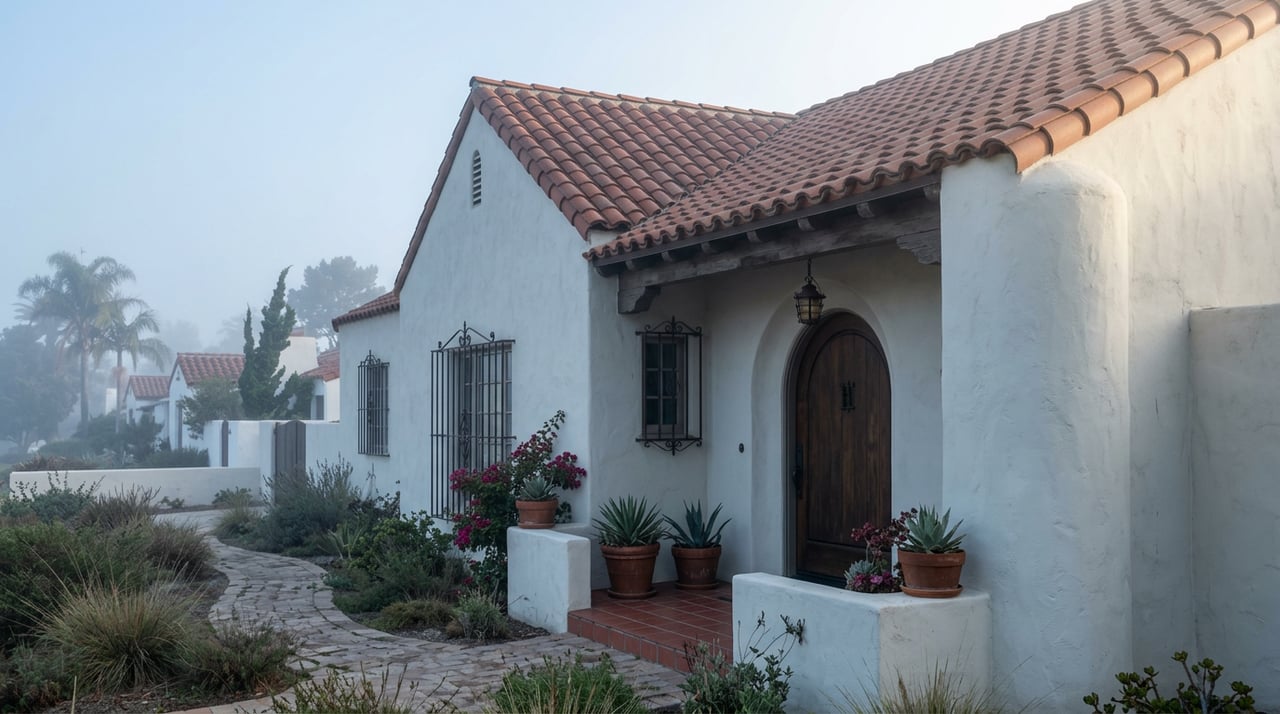
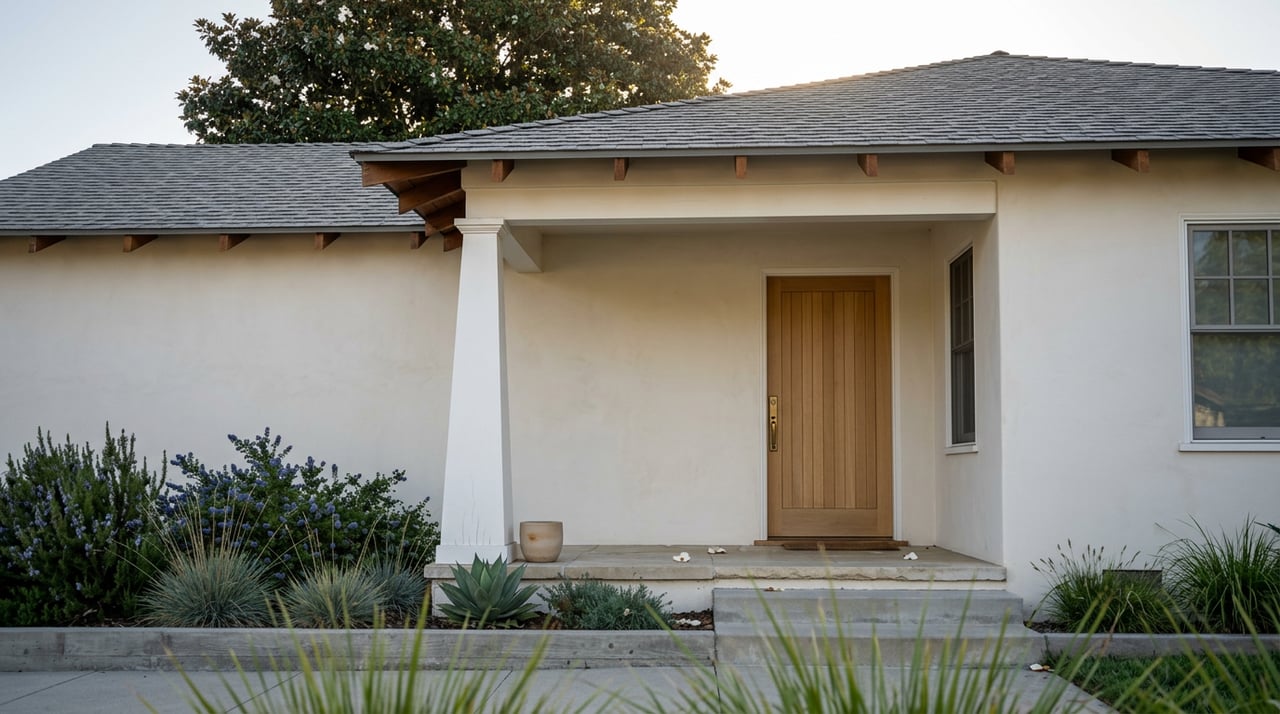
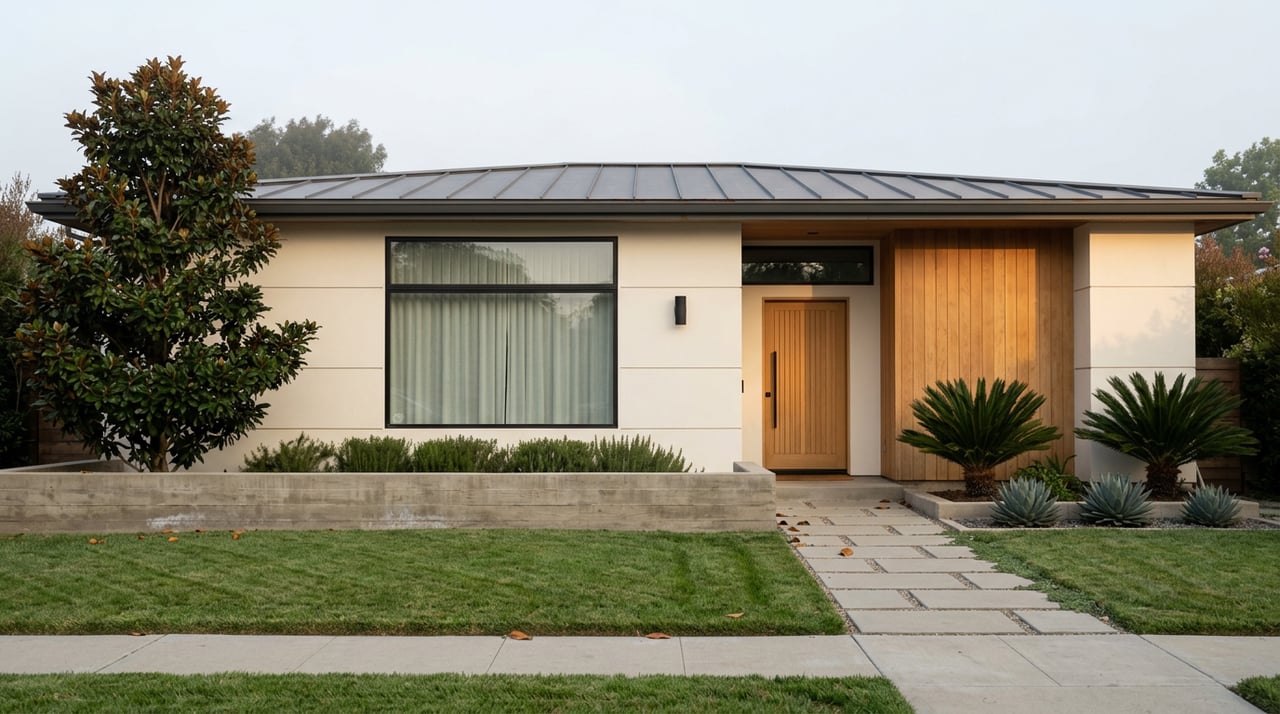
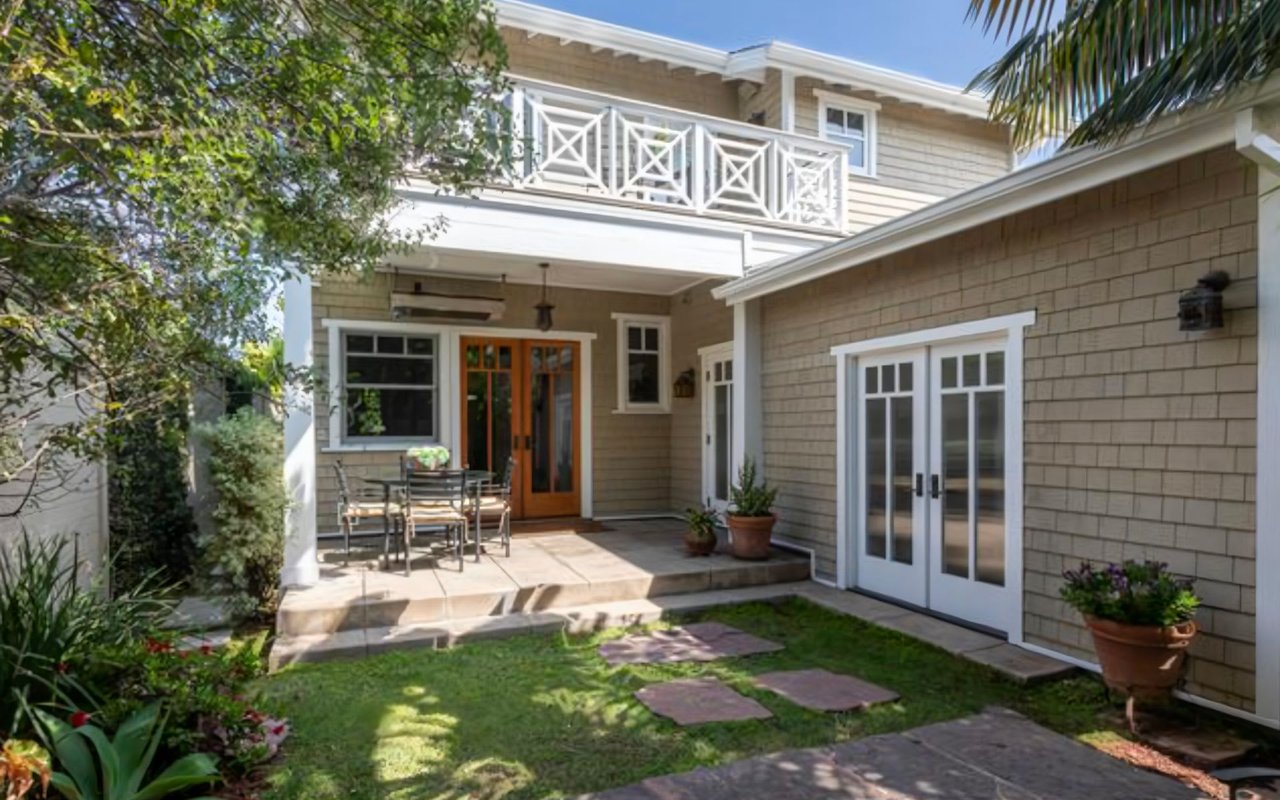
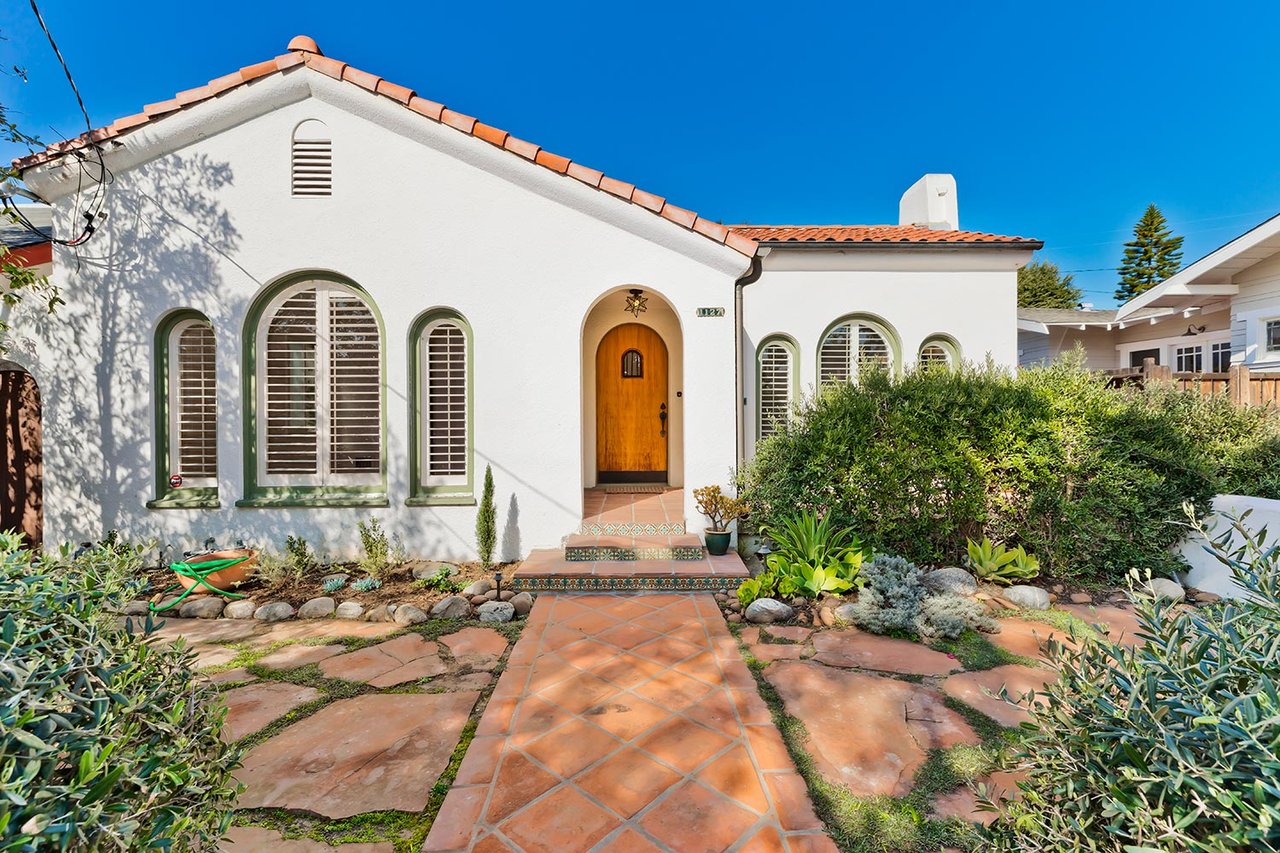
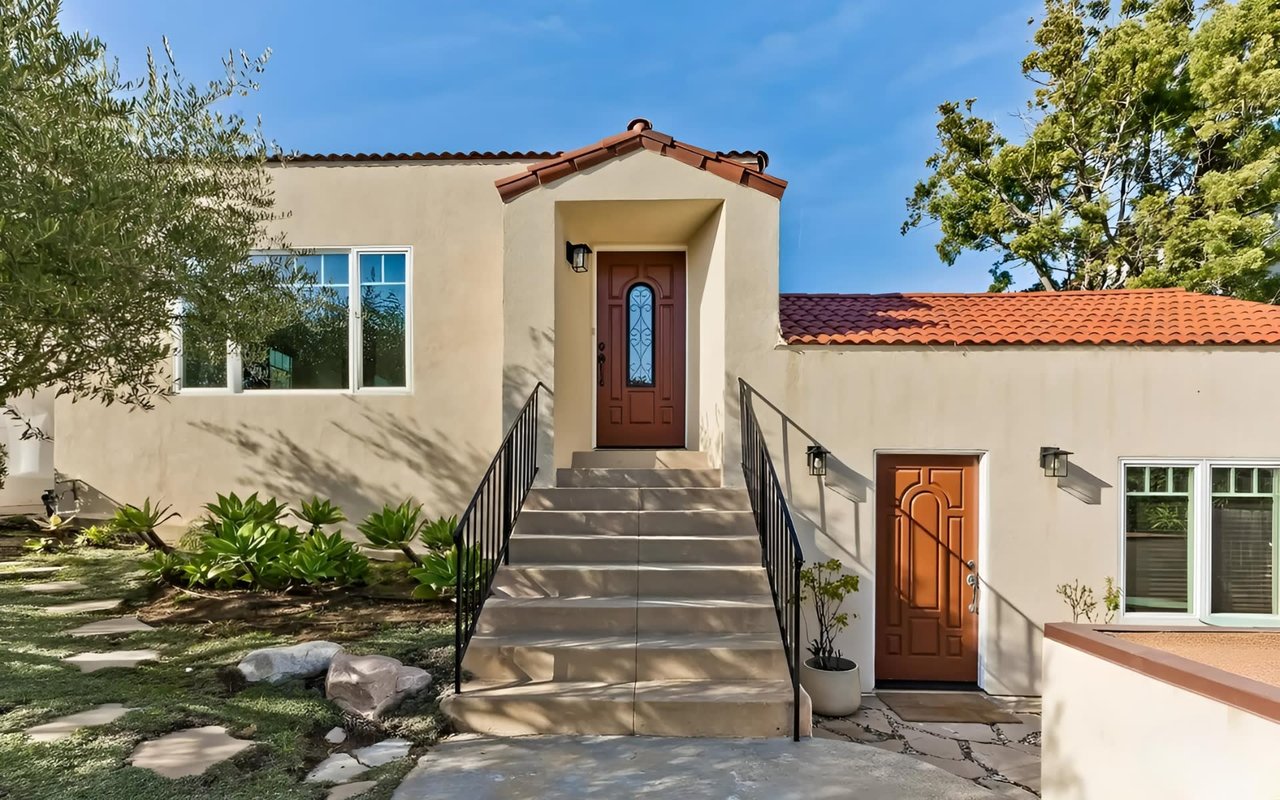
Older homes, 50+ years old, more often carry architectural detail and craftsmanship that's expensive or impossible to replicate today. Some buyers will pay a premium for that character, especially when the home has been well-maintained or thoughtfully updated rather than left original.
Maintenance, Renovation, and Landmark Review
There's an added wrinkle specific to Santa Monica: any structure 40 years or older is subject to Landmarks Commission review before it can be demolished, under the city's Landmarks and Historic District Ordinance, in place since 1976. That doesn't block a sale or renovation, but it does mean a teardown plan for an older property should account for that review step, not assume it's a formality.
Energy Efficiency and the Title 24 Solar Requirement
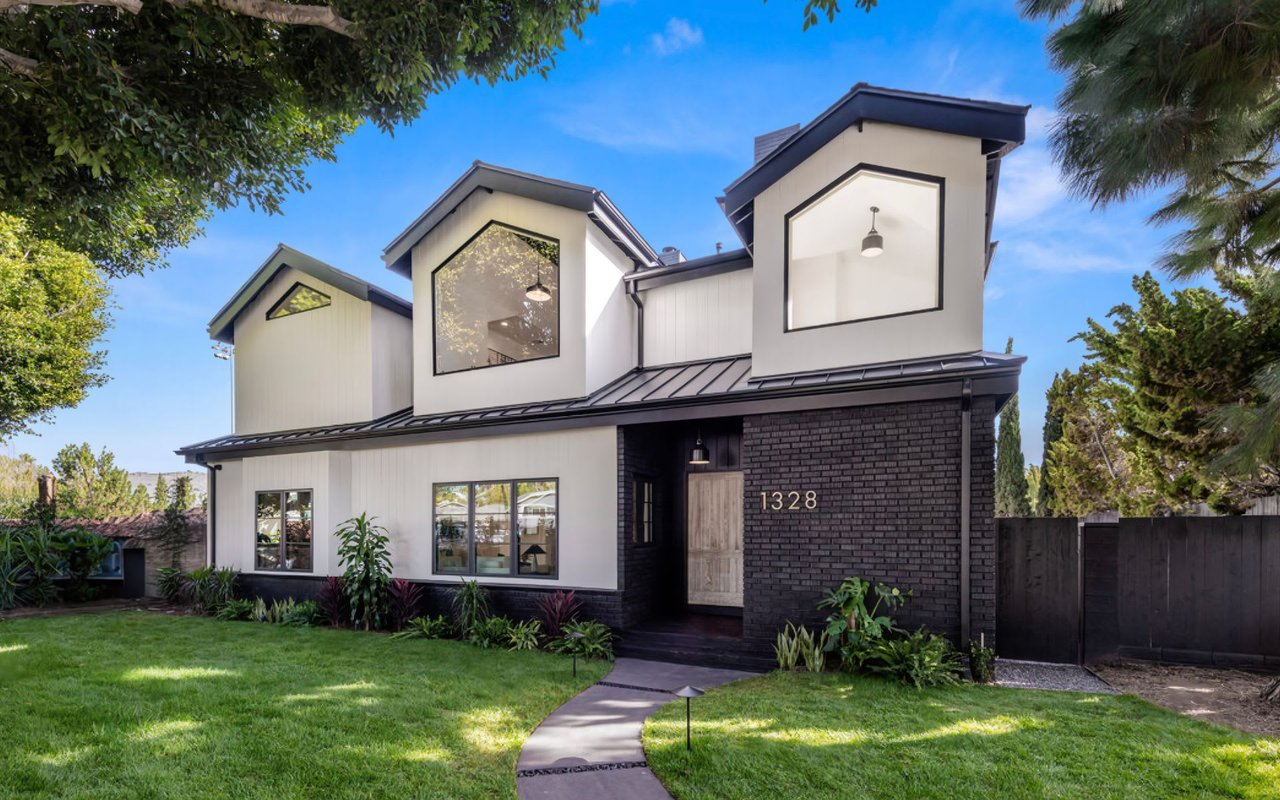
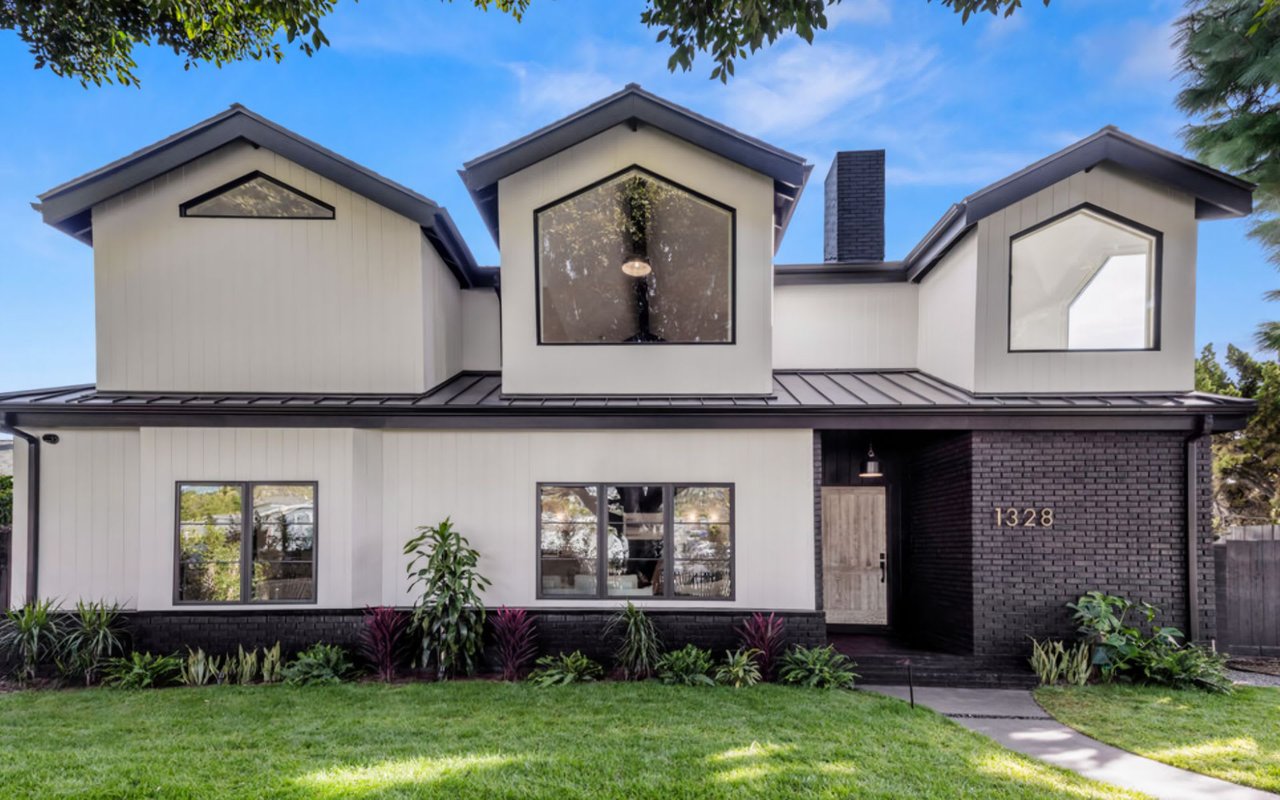
This creates a real, dateable line in the market: homes built from 2020 onward come with a documented energy feature older homes generally don't have unless it was added later.
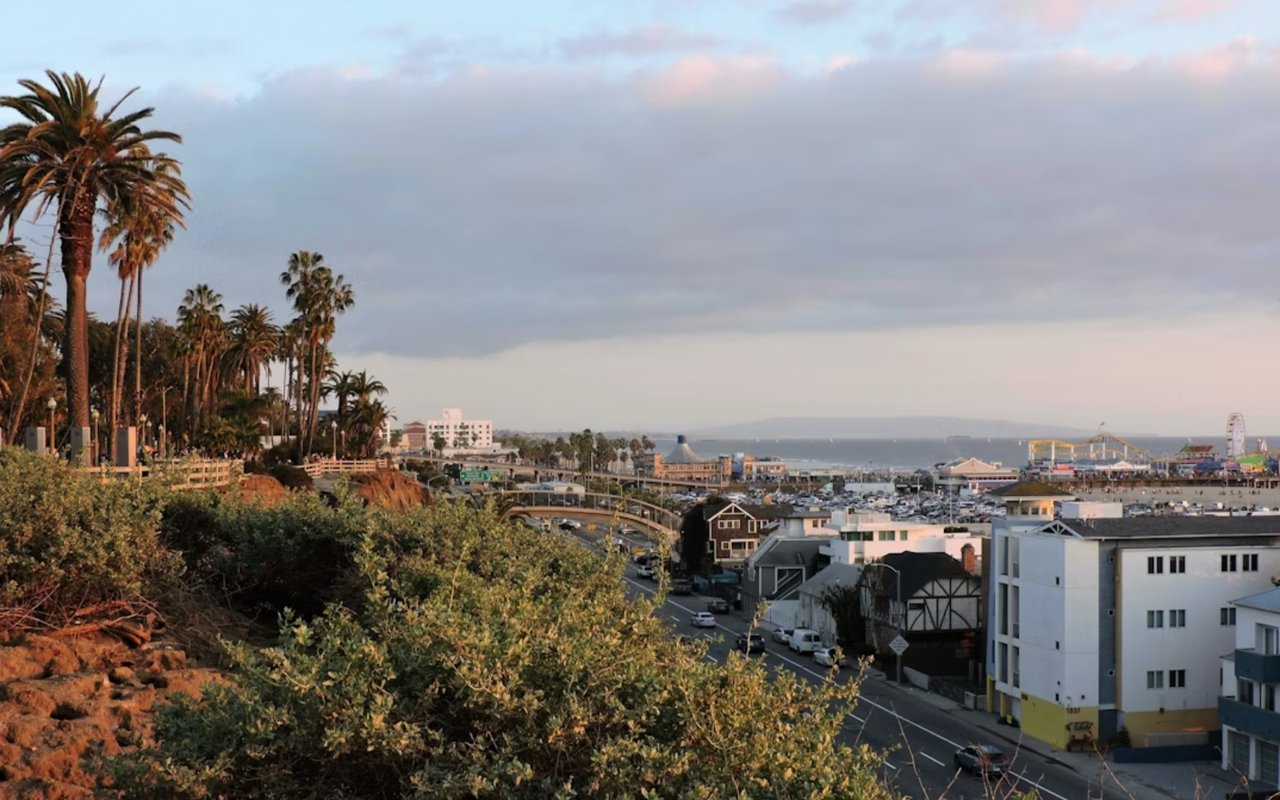
Location and Lot Value
Sellers of older homes in these areas should understand not just the home's age, but how lot size, zoning, and any historic designation affect what a buyer can actually do with the property.
Not Sure Where Your Home's Age Puts You?
Whether your home is a 1920s original or built under the current solar code, that specific timeline affects your options and your value.
Buyer Preferences and Market Trends
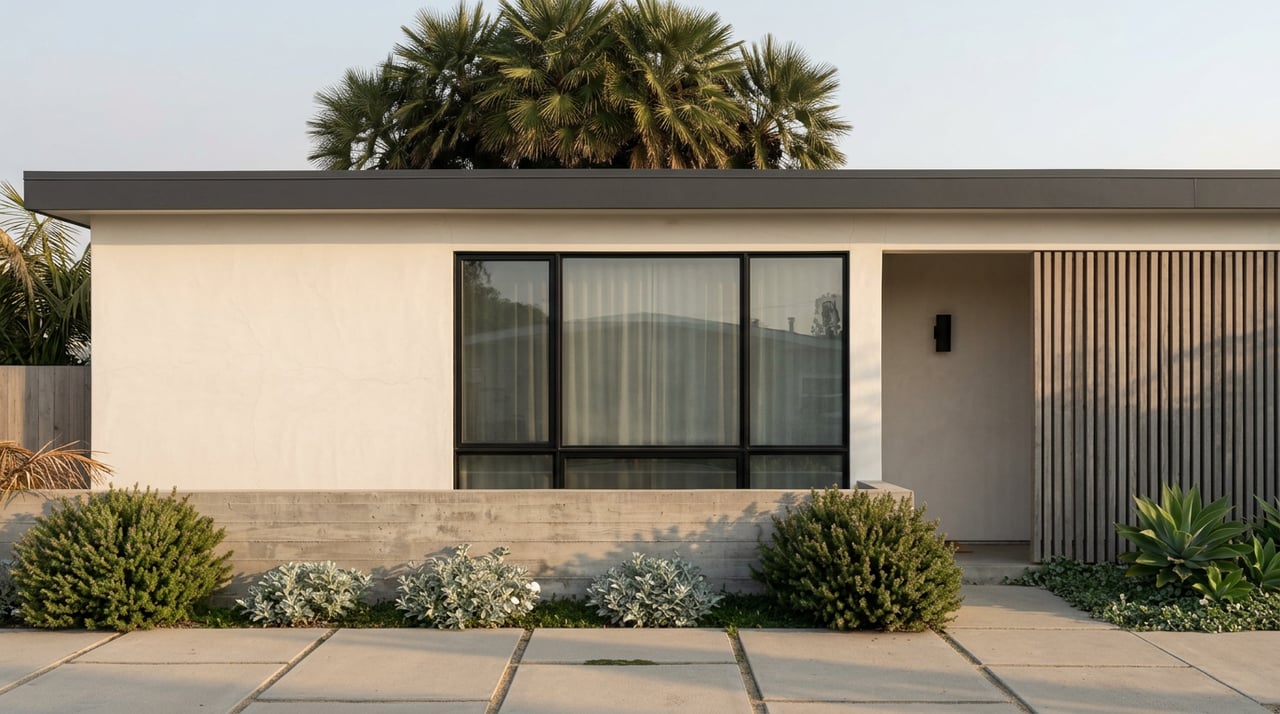
At the same time, there's steady demand for mid-century modern and California Craftsman homes that have retained their historical integrity, particularly ones formally recognized in one of Santa Monica's designated Historic Districts.
Appreciation Potential and Investment Outlook
Making an Informed Decision
For guidance on how a specific property's age and history affect its value, reach out to Megan Whalen, who works with Santa Monica buyers and sellers on exactly these trade-offs.
Frequently Asked Questions
At what age does a Santa Monica home need Landmarks review to demolish?
Any structure 40 years or older in Santa Monica is subject to Landmarks Commission review before demolition, under the city's Landmarks and Historic District Ordinance, adopted in 1976.
Do older homes in Santa Monica need solar panels?
No. California's Title 24 solar requirement only applies to homes built new on or after January 1, 2020. Existing homes are not required to add solar solely because of that mandate.
Does an old home's condition matter more than its lot in Santa Monica?
Often the lot matters more. With limited available land, older homes in high-demand areas like North of Montana, Ocean Park, and Sunset Park can carry significant value based on location alone, independent of the existing structure's condition.