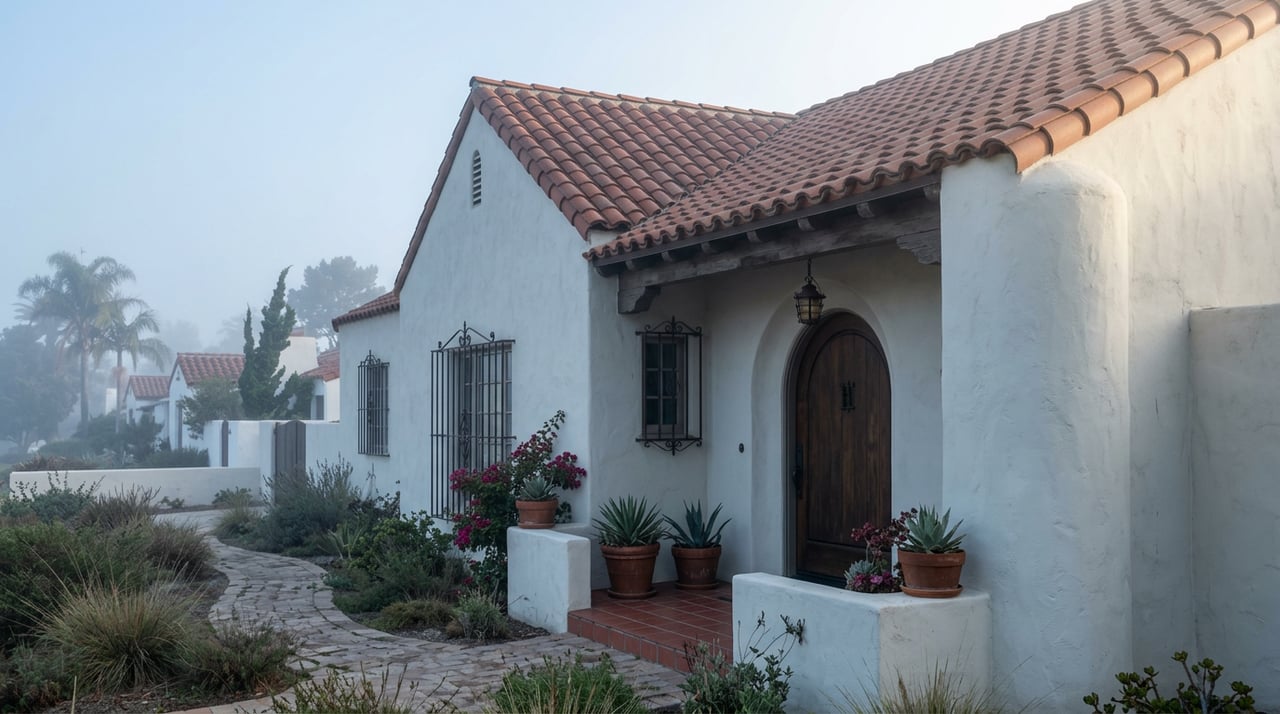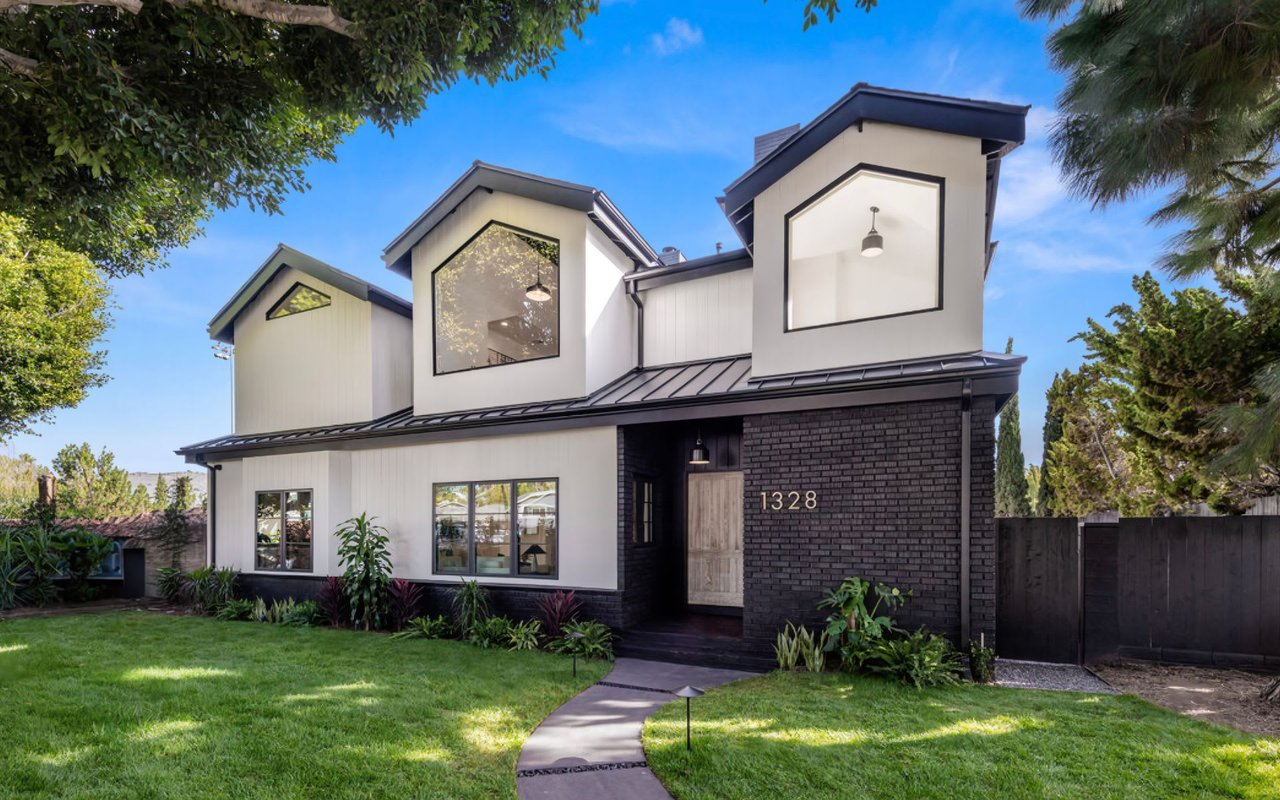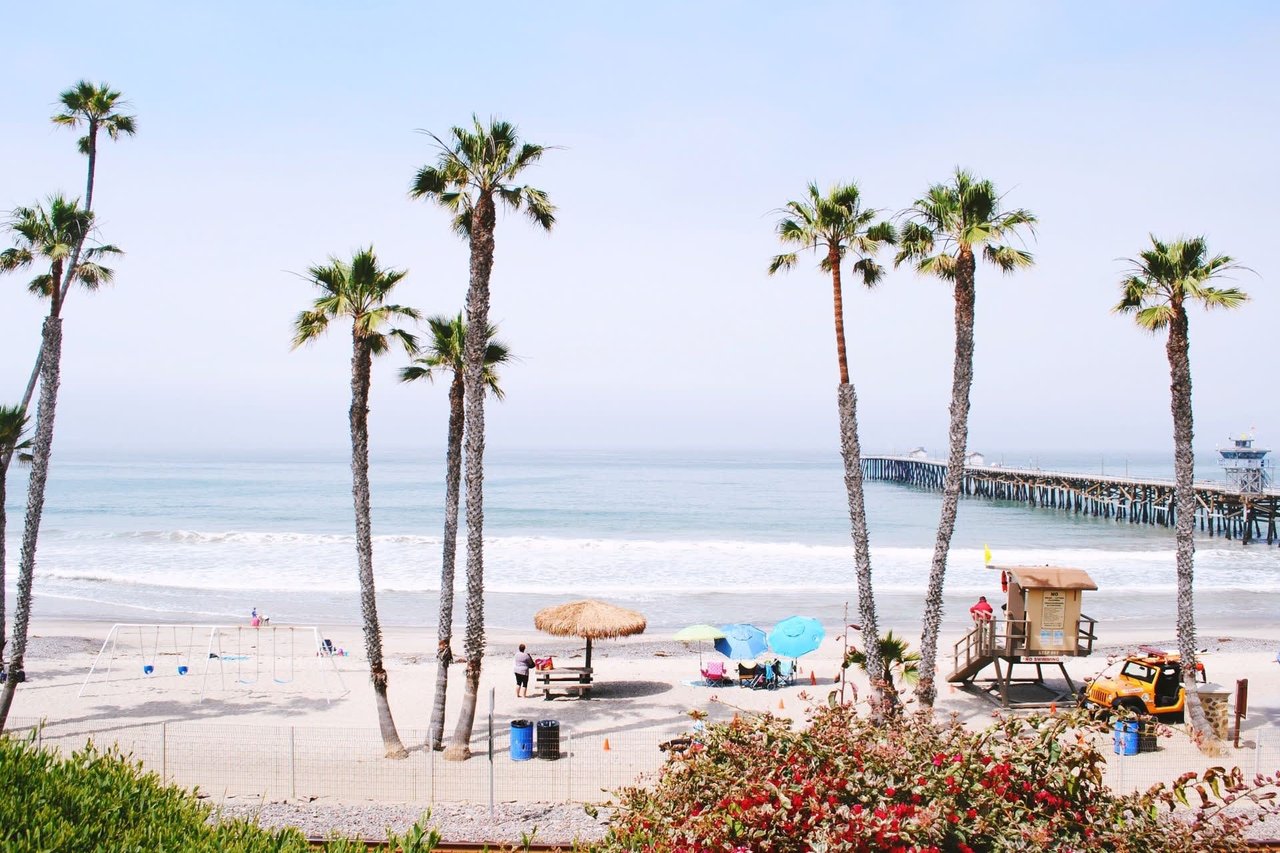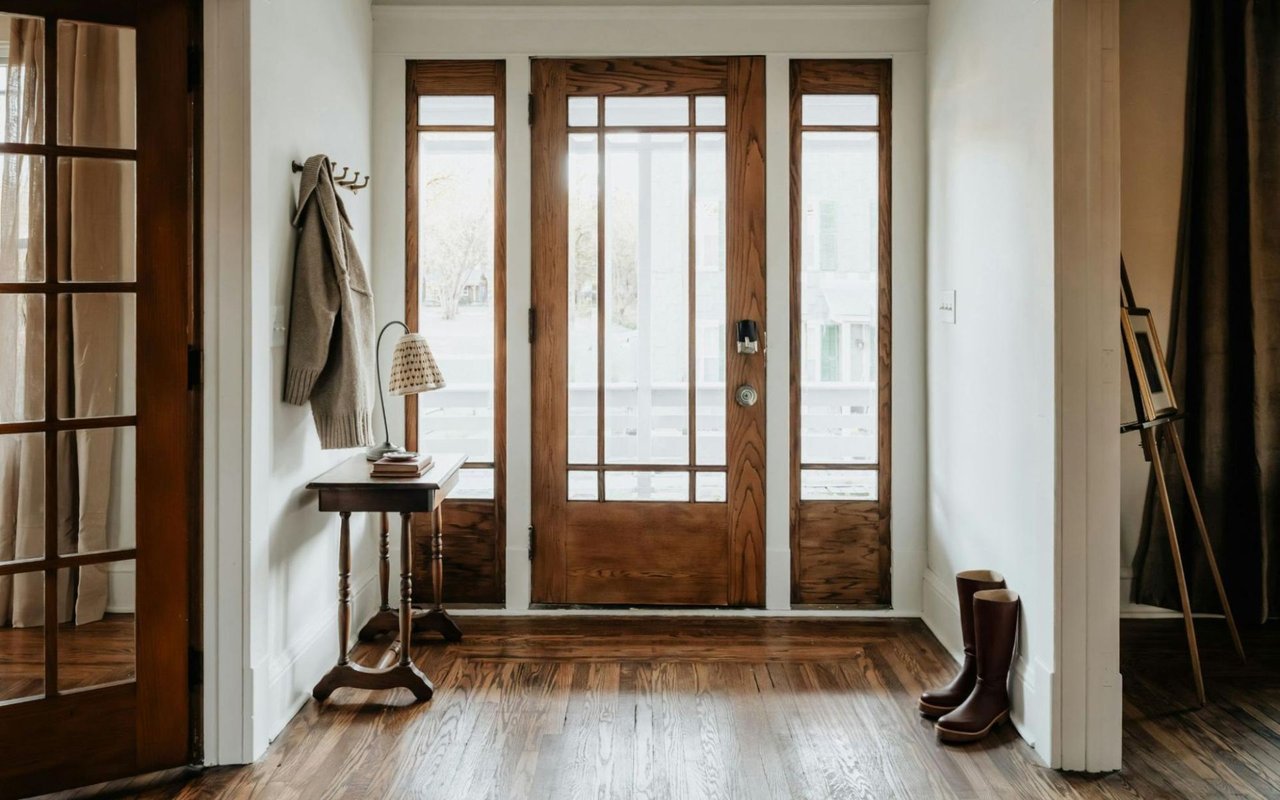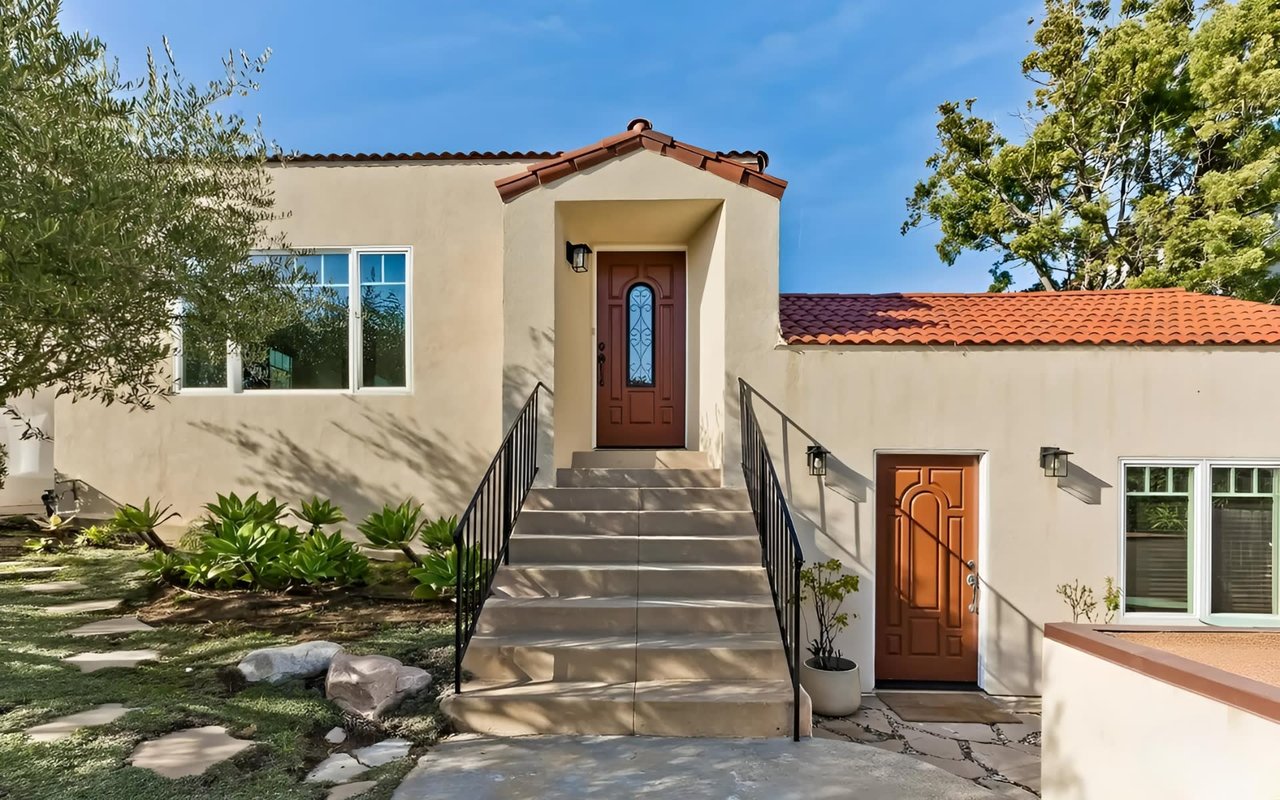
Santa Monica home inspections carry extra weight for three reasons: much of the housing stock predates 1960, coastal air accelerates wear on roofing and exterior materials, and any renovation within roughly 300 feet of the beach may fall under California Coastal Commission review. Before you close, confirm the property's permit history through the City's Building and Safety Division.
Inspection Area | Why It Matters in Santa Monica | What to Ask For | Typical Repair Cost (2026 National Average)* |
|---|---|---|---|
Foundation & structure | Many homes predate 1960; some sit on original or partially updated foundations | Foundation report, past repair permits | $2,200–$8,400 for most repairs; major structural work (piers, underpinning) can run $15,000+ |
Roof & exterior | Salt air and marine layer moisture accelerate wear on roofing and stucco | Roof age, last resurfacing date | $9,000–$18,000 to replace a standard asphalt shingle roof |
Electrical | Homes built before the 1960s may still have older wiring types not sized for modern loads | Panel age/amperage, permit for any rewiring | $6,000–$18,000 for a full-house rewire |
Plumbing | Galvanized pipe, common in pre-1960s construction, corrodes from the inside and is often near end of life | Pipe material, any repiping permits | $1,250–$22,000 to repipe, depending on material and access; copper runs toward the higher end |
Permit history | California law requires sellers to provide a Residential Building Record showing approved and expired permits | Residential Building Record from the City | N/A — required disclosure |
*National 2026 averages from Angi, HomeAdvisor, and Modernize cost-survey data. Southern California coastal markets typically run at or above the higher end of each range due to local labor rates — get a Santa Monica-specific quote before budgeting a repair.
- City of Santa Monica Building & Safety Division: 1730 4th Street, Santa Monica, CA
- Phone: (310) 458-8355
- Online permit lookup: Active Building and Safety Permits Map, searchable by address
- Coastal Zone review: California Coastal Commission, (562) 590-5071, applies to development between the first public road and the sea or within roughly 300 feet of the beach or a coastal bluff
By Megan Whalen
I work with buyers in Santa Monica who are excited about coastal living but want to be confident in exactly what they're purchasing. In this market, a home inspection isn't a formality, it's how you find out what a house built decades ago has been through, and what's left to deal with. Here's what I walk every buyer through.
Key Takeaways
- Much of Santa Monica's housing stock predates 1960, so foundation, wiring, and plumbing age deserve real scrutiny, not a quick glance.
- Coastal air accelerates wear on roofing, stucco, and exterior metal — ask specifically about this, inspectors don't always flag it unprompted.
- California requires sellers to disclose a Residential Building Record; review it against what the inspector finds on-site.
- Renovations near the beach may have required Coastal Commission review — mismatched permits here are a real risk, not a technicality.
Start With the Structure and Foundation
Why Structural Review Is Critical
- Foundation integrity: cracks, settling, or documented past repairs.
- Framing condition: signs of shifting or long-term stress.
- Load-bearing walls: especially in homes that have been remodeled or opened up.
Ask whether any foundation work has a matching permit on file with the City — unpermitted structural repairs are one of the more expensive surprises to discover after closing.
Pay Close Attention to Roofing and Exterior Materials
Exterior Elements to Evaluate
- Roof age and material: tile, composite, or flat roofing systems age differently under coastal exposure.
- Water intrusion signs: staining or soft spots under eaves.
- Stucco and siding condition: cracking or moisture penetration, common where salt air has been eating at the exterior for years.
Electrical Systems Deserve a Detailed Review
Electrical Inspection Priorities
- Panel capacity: whether it can support current appliance and EV-charging demand.
- Wiring type and age: older wiring may need full replacement, not just spot repairs.
- Grounding and safety features: confirm proper installation, not just presence.
Plumbing and Water-Related Issues
Plumbing Items to Check
- Pipe materials: galvanized pipe, common in pre-1960s homes, corrodes from the inside and is often near the end of its usable life.
- Water pressure: consistency throughout the home, not just at one fixture.
- Drainage performance: slow drains or backups, especially in original bathrooms.
HVAC and Climate Control Systems
- System age: older units run less efficiently and may be near replacement.
- Ductwork condition: leaks or poor airflow, especially in additions.
- Zoning systems: worth checking in any multi-level home.
Windows, Doors, and Insulation
- Window seals: fogging between panes or air leaks.
- Door alignment: smooth operation and proper sealing.
- Insulation quality: especially in homes that haven't been re-insulated since original construction.
Look Closely at Past Renovations and Permits
- Permit history: cross-check the Residential Building Record against what you see in person.
- Work quality: professional execution versus cosmetic-only fixes.
- Coastal Zone compliance: renovations within roughly 300 feet of the beach, or within 300 feet of a coastal bluff, may have required a Coastal Development Permit — confirm this was obtained if applicable.
You can search a property's permit history yourself using the City's online Active Building and Safety Permits Map, or call the Building and Safety Division at (310) 458-8355 for records that aren't online.
Drainage, Grading, and Site Conditions
- Proper grading: water should flow away from the home, not toward the foundation.
- Drainage systems: especially important given the region's occasional heavy winter rain events.
- Hardscape condition: cracks or shifting can signal underlying settling.
Luxury Features Require Specialized Inspection
- Smart home systems: confirm integration and functionality, not just presence.
- Outdoor living features: decks, terraces, and exterior finishes exposed to salt air.
- Custom installations: built-ins or specialty materials that may need a specialist to assess properly.
Already Have a Property in Mind?
If you're inspecting a specific Santa Monica home right now, or trying to decide whether to make an offer at all, that's a conversation worth having before the report lands, not after.
How Inspection Results Affect Negotiation
- Request repairs for material safety or structural issues.
- Renegotiate price based on the scope and cost of findings.
- Plan upgrades with full awareness of what they'll cost, using the inspection as your baseline.
Frequently Asked Questions
Are home inspections in Santa Monica different from other markets?
Yes. Santa Monica's coastal exposure accelerates wear on roofing and exterior materials, much of the housing stock predates 1960, and renovations near the beach may have required California Coastal Commission review, all of which a standard inland inspection checklist wouldn't specifically flag.
Should buyers attend the home inspection?
Yes. Being present lets you see issues firsthand, ask the inspector questions in real time, and get a better sense of severity than a written report alone can convey, which matters most on older Santa Monica homes with more moving parts to review.
Where can I check a Santa Monica property's permit history?
You can search the City's Active Building and Safety Permits Map online by address, or contact the Building and Safety Division directly at (310) 458-8355; sellers are also required to provide a Residential Building Record disclosing approved and expired permits.