New construction in Santa Monica must meet California's Title 24 solar mandate (effective since January 1, 2020), the city's 2017 water-neutrality requirement for new projects, and, for lots near the coast, review under the California Coastal Zone permitting process. Understanding these three requirements upfront shapes both your design and your permitting timeline.
Requirement | What It Means for Your Build |
|---|
Title 24 solar mandate | New single-family homes must include a solar PV system sized to floor area and climate zone (required since Jan. 1, 2020) |
Water neutrality | Santa Monica requires new construction not to increase net water demand versus prior use, per a 2017 city ordinance |
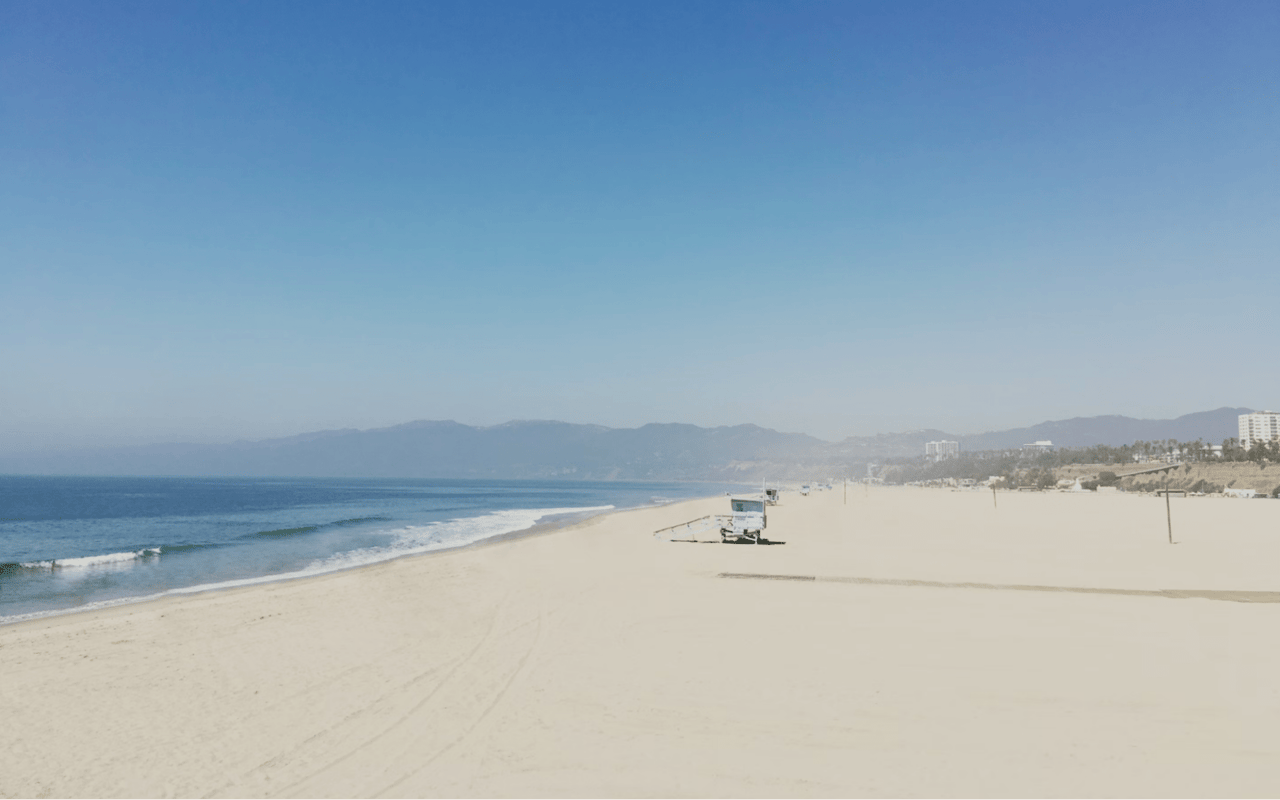
Coastal Zone review | Lots between the first public road and the sea, or within ~300 ft of the beach or a coastal bluff, may need California Coastal Commission review |
Demolition of a 40+ year old structure | Subject to Landmarks Commission review before a permit is issued (ordinance since 1976) |
Permits | Grading, plumbing, electrical, and structural permits issued through City of Santa Monica Building & Safety, 1730 4th Street, (310) 458-8355 |
Building a house in Santa Monica means creating a custom home in one of the Westside's most in-demand coastal markets, but it also means working within a specific, well-defined set of city and state requirements. Here's what actually matters, beyond the general appeal of the location.
Choosing the Right Location
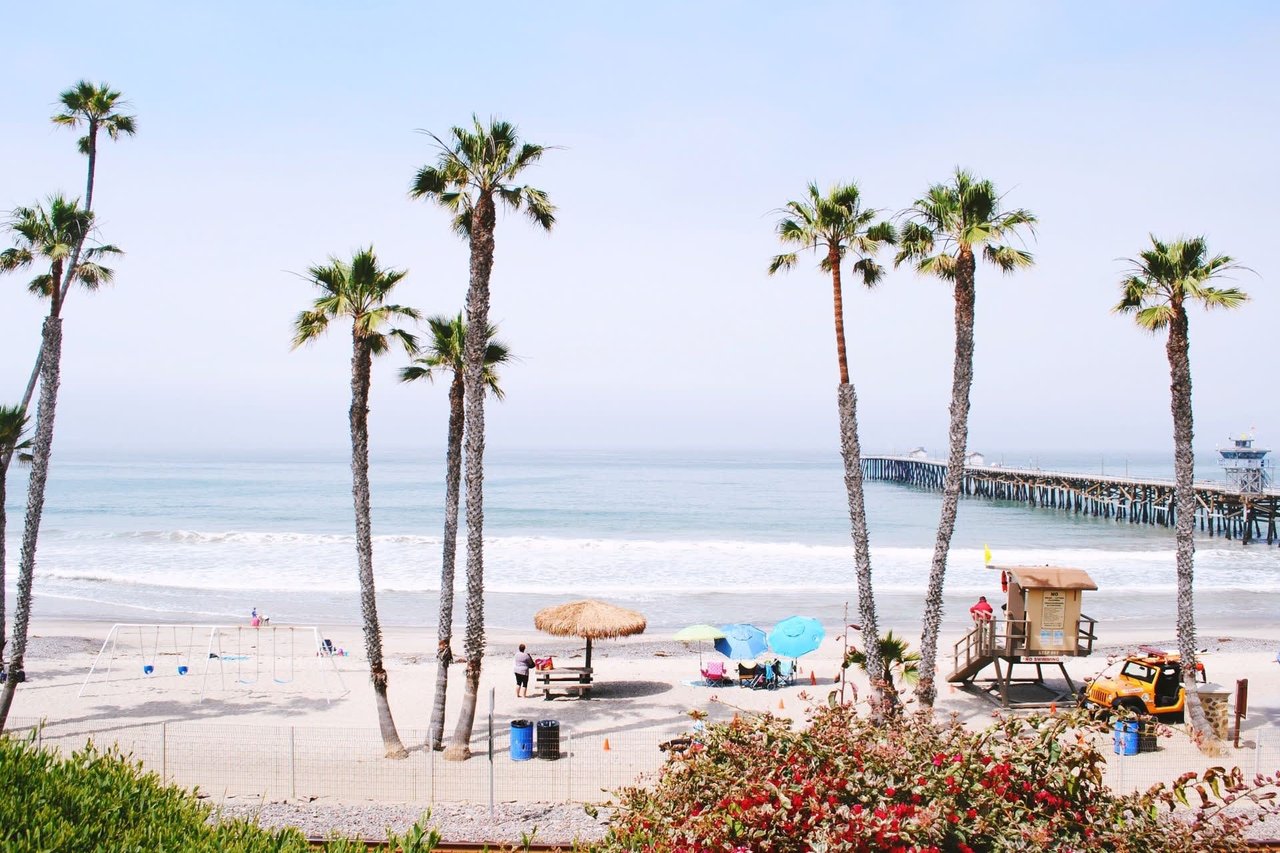
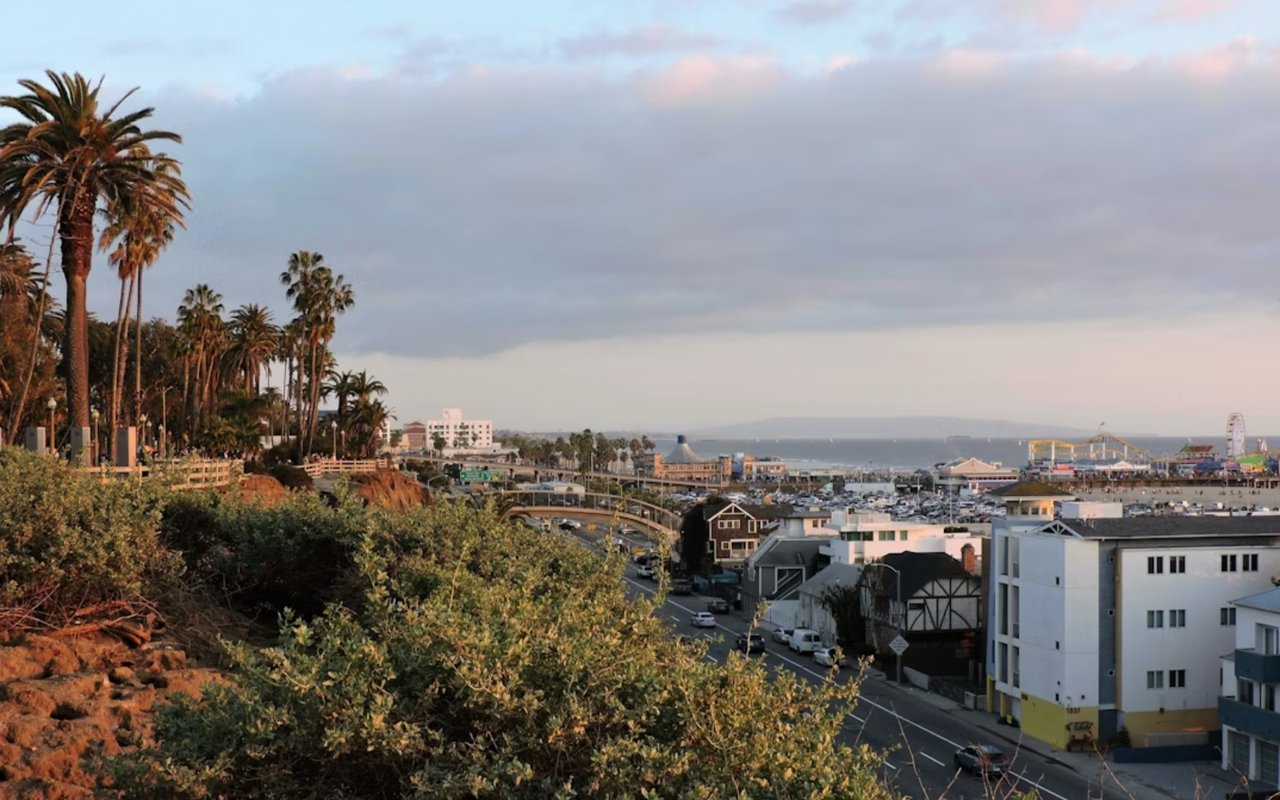
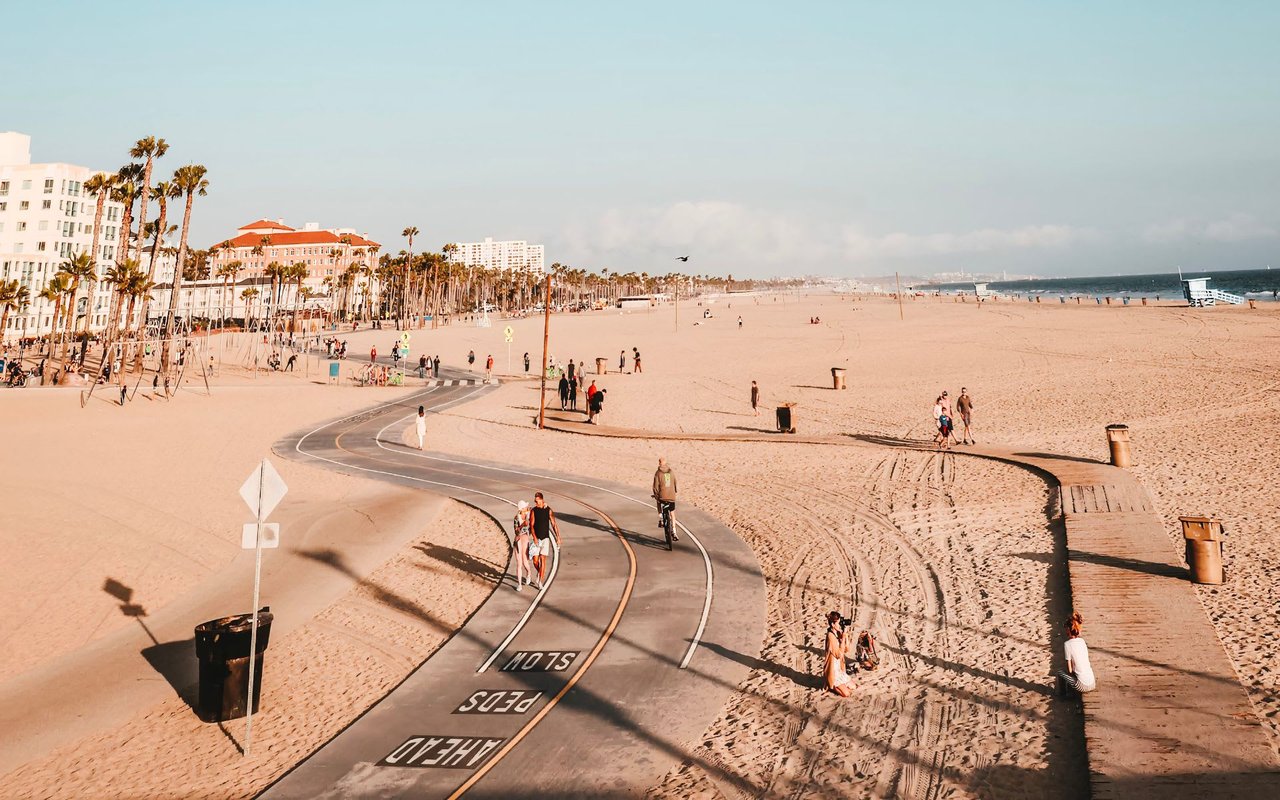
Santa Monica's neighborhoods vary meaningfully: North of Montana's larger lots, Sunset Park's mix of R1 and R2 zoning, and beachfront lots along or near Ocean Avenue that fall under Coastal Zone rules. Beyond neighborhood character, factor in whether a lot triggers Coastal Commission review, and whether any existing structure on it is old enough to require Landmarks Commission sign-off before demolition. Working with an agent who tracks these distinctions by lot, not just by neighborhood, matters here.
Understanding Zoning and Building Codes
Santa Monica's zoning code sets height limits, setback requirements, and lot coverage rules that vary by zone (R1 single-family vs. R2 low-density multi-family, for example). Beyond zoning, every new single-family home must comply with California's Title 24 solar mandate, in effect since January 1, 2020, requiring a solar PV system sized to the home's floor area and climate zone. An architect or builder who works regularly in Santa Monica will already have this baked into design plans rather than treating it as an add-on late in the process.
Designing Your Dream Home
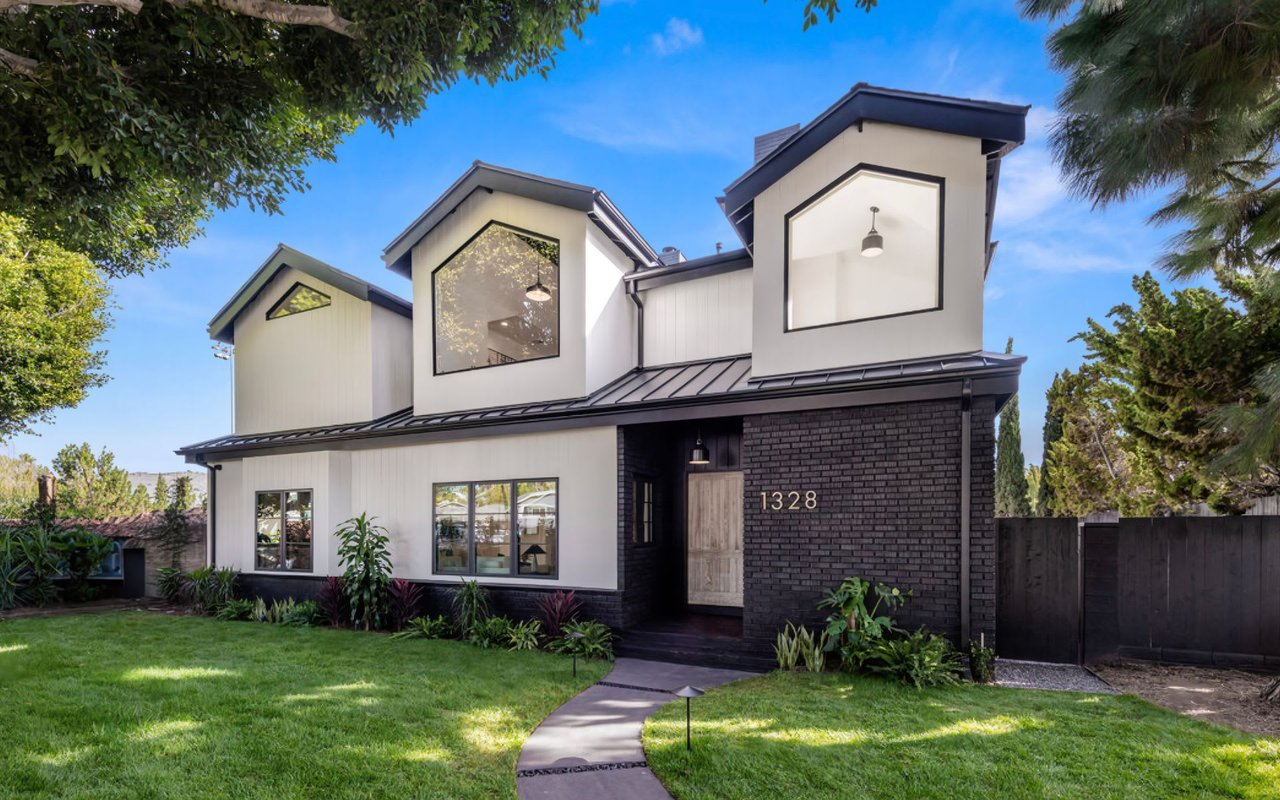
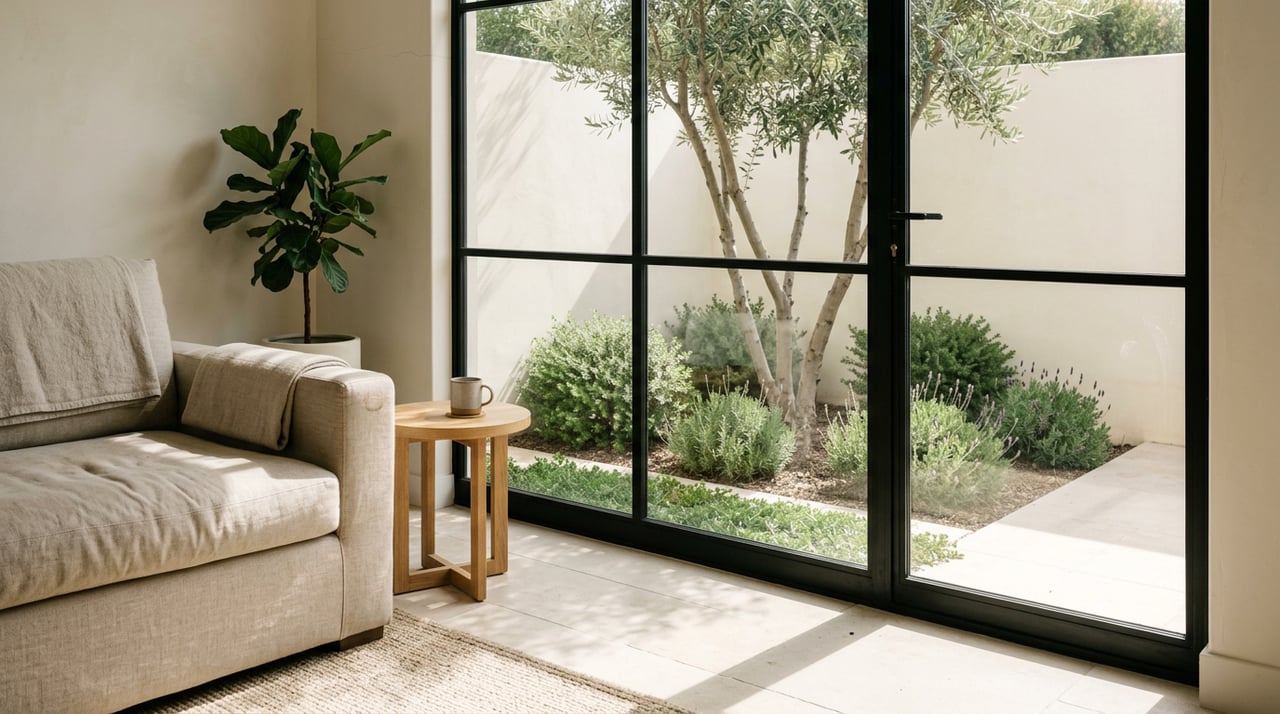
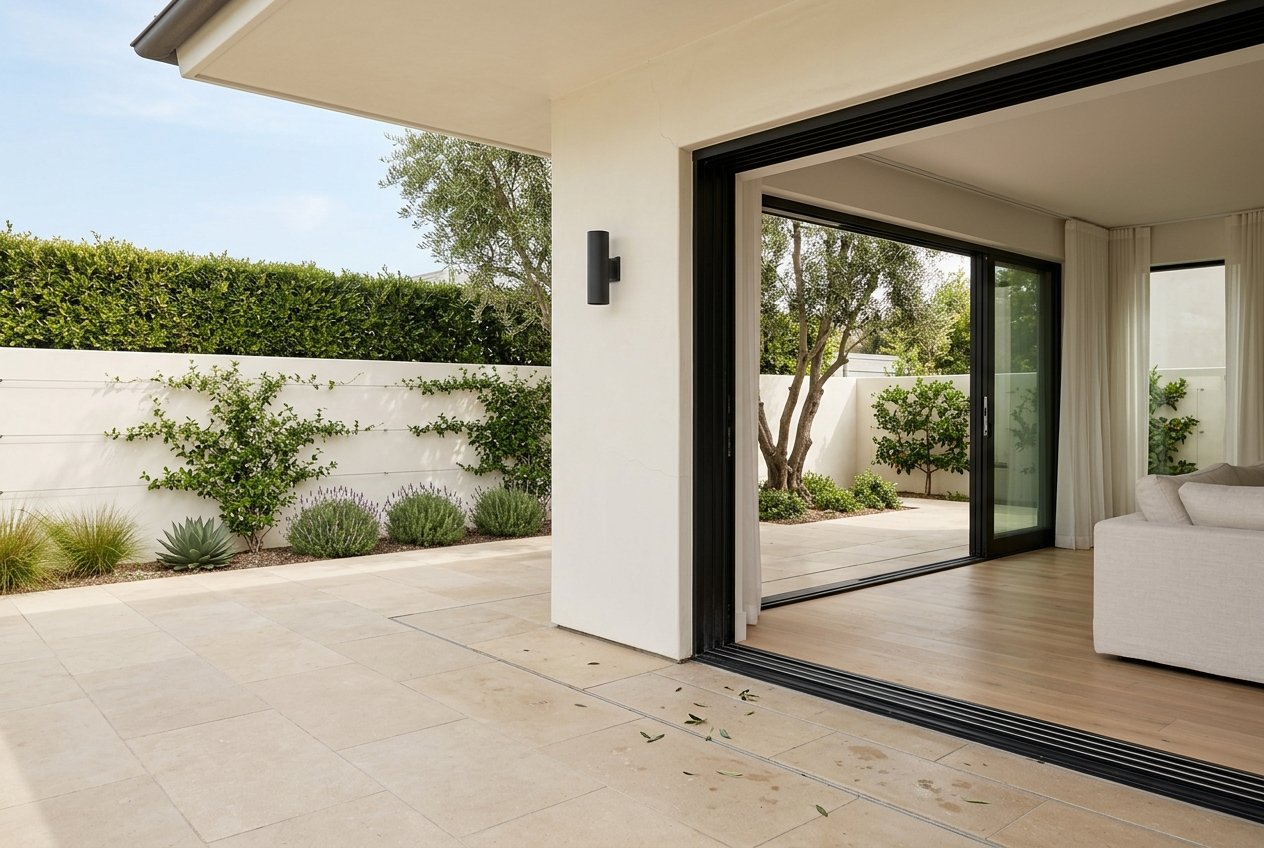
Santa Monica's coastal exposure means salt air and marine moisture will affect material choices over time, so exterior materials and finishes should be selected for durability in that environment, not just appearance. Indoor-outdoor living spaces and larger windows work well with the mild climate, but should be balanced against the added cost of coastal-rated glazing and hardware where applicable.
Navigating the Permitting Process
Permits for grading, plumbing, electrical, and structural work all go through the City of Santa Monica's Building and Safety Division at 1730 4th Street, (310) 458-8355. If your lot falls within the Coastal Zone, meaning it sits between the first public road and the sea, or within roughly 300 feet of the beach or a coastal bluff, you'll likely need a Coastal Development Permit reviewed by the California Coastal Commission in addition to city approval. Building on a lot with a structure 40 years or older adds a Landmarks Commission review step before demolition can proceed. Each of these adds real time to a project timeline, so budgeting for it upfront avoids surprises.
Building With Sustainability in Mind
Beyond the Title 24 solar requirement, Santa Monica has required new construction projects since 2017 to meet a water-neutrality standard: new projects can't increase net water demand compared to prior use on the site, and fees paid in lieu of on-site reduction fund water efficiency projects elsewhere in the city. Drought-tolerant landscaping, low-flow fixtures, and rainwater harvesting all help meet this requirement while cutting long-term utility costs.
Managing the Construction Process
Once permits are secured, regular communication between you, your builder, and subcontractors keeps the project on track. Santa Monica's mild, generally dry climate means weather delays are less common here than in many markets, but coordination around Coastal Commission or Landmarks Commission conditions, where applicable, can still affect scheduling.
Completing Your Dream Home
Before moving in, you'll need a certificate of occupancy from the city, confirming the home meets all safety and building code requirements, including the Title 24 solar installation and any water-neutrality conditions tied to your permit. This final inspection is the last formal step before you take possession.
Frequently Asked Questions
Do new homes in Santa Monica have to have solar panels?
Yes. California's Title 24 code has required solar PV systems on new single-family homes since January 1, 2020, sized to the home's floor area and climate zone.
What is Santa Monica's water-neutrality requirement for new construction?
Since 2017, Santa Monica has required new construction projects not to increase net water demand compared to the site's prior use, through a combination of on-site conservation measures and, where needed, in-lieu fees that fund water efficiency projects elsewhere in the city.
Do I need Coastal Commission approval to build in Santa Monica?
It depends on the lot. Development between the first public road and the sea, or within roughly 300 feet of the beach or a coastal bluff, generally requires California Coastal Commission review in addition to standard city permits.
Discover Santa Monica's Real Estate Market
For those considering building a home in Santa Monica,
Megan Whalen can help you find the right lot and understand what it will take to build on it. Contact Megan today to start your build in Santa Monica.